Operator first. Technologist second.
Most AI consultants enter through technology. They arrive with a tool and look for a problem. The Operations Optimization Advisory enters through operational diagnosis. The business gets examined first. AI, automation, and systems get prescribed where they actually fit.
Book a Fit Call See the Pilot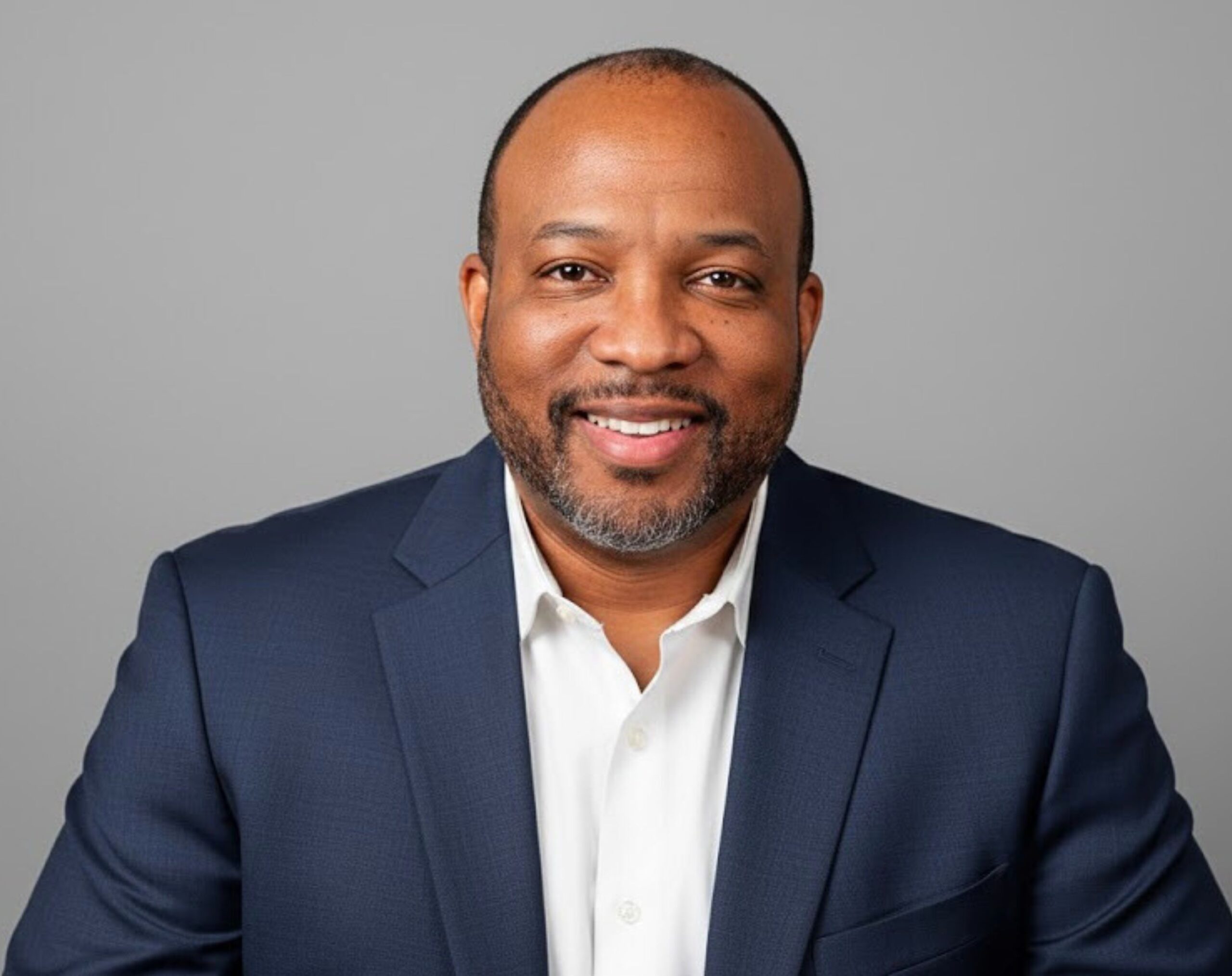
What makes the diagnostic actually work
Most advisors bring one of these. The combination is what lets the work spot operational waste quickly, talk to non-technical owners and technical builders in the same room, and connect you to the right execution partners without selling you their software.
Operator Experience
20 years inside Marketing and Sales Operations at companies of every size. Lee has seen the same patterns of operational waste repeat across industries, which is why the diagnostic translates from one business to another.
Active AI Practice
Lee runs AI inside his own services business and uses it to deliver client work. That hands-on practice is rare among advisors who claim to know this space, and it is the reason the recommendations are grounded in what actually works in production.
Vendor-Neutral Position
No software resale. No hidden referral structure. The advisory exists to help you make the right call, which is only possible if there is no financial reason to push you toward any specific tool.
Two decades inside the seat the advisory now sits beside.
Lee's background includes 20 years of Marketing and Sales Operations leadership across companies of every size, from venture-backed startups to publicly traded enterprises. The work spans CRM strategy, marketing automation, content operations, sales enablement, customer communication, and the systems that tie all of them together.
That operator background is what allows the diagnostic to identify drag in patterns that look familiar, and to recommend fixes that work inside the constraints of an actual business, not the constraints of a slide deck.
Sales and Marketing Business Book
CASH: The 4 Keys to Better Sales, Smarter Marketing, and a Supercharged Revenue Machine.
A practical playbook for creating unified Revenue Teams and measurable growth. The four keys (Communication, Alignment, Systems, and Honesty) shape the operating questions the advisory asks.
Learn About the BookAn Active AI Practice
Lee runs AI inside his own services business and uses it to deliver client work. Recommendations are tested in production before they show up in a deliverable.
The difference between an operator and a technologist
Both can be useful. Only one is built to protect a six or seven-figure decision in a $5M to $50M business.
The Technologist Approach
Enters with a tool. Looks for a problem the tool can solve. Recommends a build. The build often happens. The original drag may or may not move.
Common outcome: a working system that does not move the metric you actually care about.
The Operator Approach
Enters with a diagnostic. Identifies what is actually breaking. Prescribes AI, automation, or systems where they fit. Recommends a build only after the business case is clear.
Common outcome: a smaller spend that moves the metric, and a roadmap for the next move.
Where the diagnostic translates
The patterns of operational drag repeat across industries, which is why the diagnostic works whether the business sells professional services, insurance, B2B services, or runs a multi-location operation.
Professional Services
Firms with billable teams, complex client onboarding, and reporting that nobody trusts.
Insurance Brokerages
Multi-carrier operations with quote cycles and renewal workflows that live across spreadsheets and inboxes.
B2B Service Businesses
Service companies with growing client lists and operational systems that started simple and got tangled.
Multi-Location Operations
Businesses with multiple locations, regional managers, and reporting that should roll up but does not.
Owner-Operator Businesses
Founder-led companies past the early stage, where the founder is still the operating system.
Sales-Driven Organizations
Companies where the sales team is the engine and the friction lives in the handoff between sales and the work.
The wider work that informs the diagnostic.
Lee is the co-founder of Content Monsta, a services business that runs AI inside its own delivery. The advisory work is informed by what is actually shipping in a real operating environment, not by theory.
He is a regular keynote speaker on Sales and Marketing alignment for revenue teams and industry events. Speaking work sharpens the diagnostic; the questions executives ask from the audience surface the same patterns the advisory looks for.
View Speaking Page- 20 years inside Marketing and Sales Operations leadership
- Author of CASH: The 4 Keys to Better Sales, Smarter Marketing, and a Supercharged Revenue Machine
- Co-founder of a services business actively running AI in production
- Vendor-neutral position; no software resale, no hidden referral structure
- Cross-functional view across operations, sales, and marketing
The fit call is the entry point.
Thirty minutes to confirm whether the advisory is the right move for your business. If it is, the pilot gets scoped on that call. If it is not, you will leave with a clearer picture of what is.